Gerry's Grill Pampanga

May 29, 2025
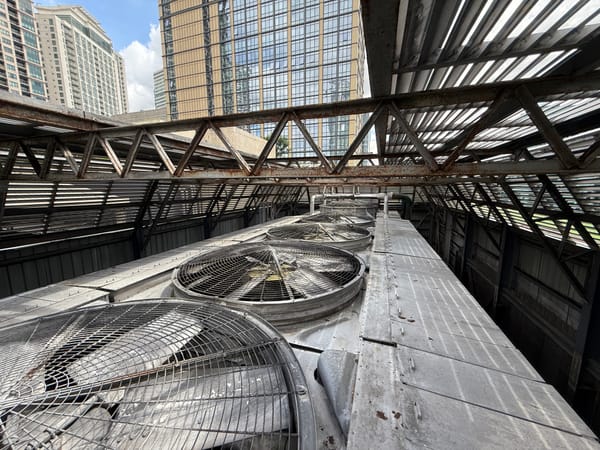
I had a pretty interesting day today inspecting a Gerry's Grill. There were two learnings. One is about circuit breakers. And the second was about a replacement of an entire exhaust fan system due to a circuit breaker, which is a related incident to my first learning.
I'll start by talking about the second here.
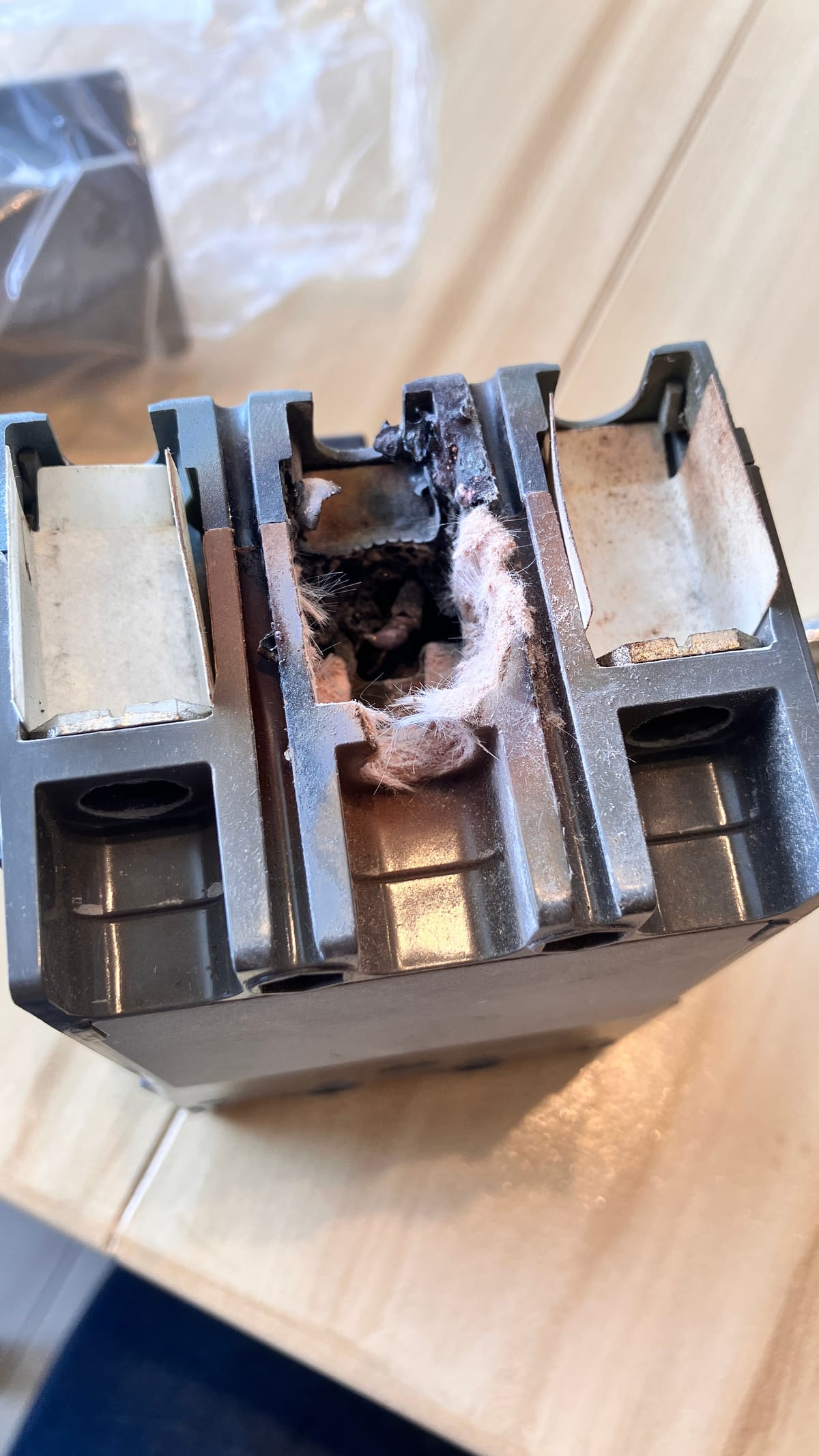
When we were approaching the restaurant I was told by Choy that the breaker for the main exhaust fan caught fire. The image is above. When we did our thermal inspection last November, due to our oversight, we missed visually inspecting a conductor that was blackened at the termination. I am assuming that at the time I thought it was shade instead of complete discoloration.
Well, last Thursday the termination finally failed, after 5-6 months. Which means that the motor it was powering had single phased. From what I know, Bop did an insulation resistance test on the motor and it seems to be fine. I think this needs to be verified.
Some consequences can possibly occur when a motor single phases:
The motor may stall or is under heavy strain, the rotor spins unevenly, possible smoke from the motor terminals because of overheating due to overcurrent draw.
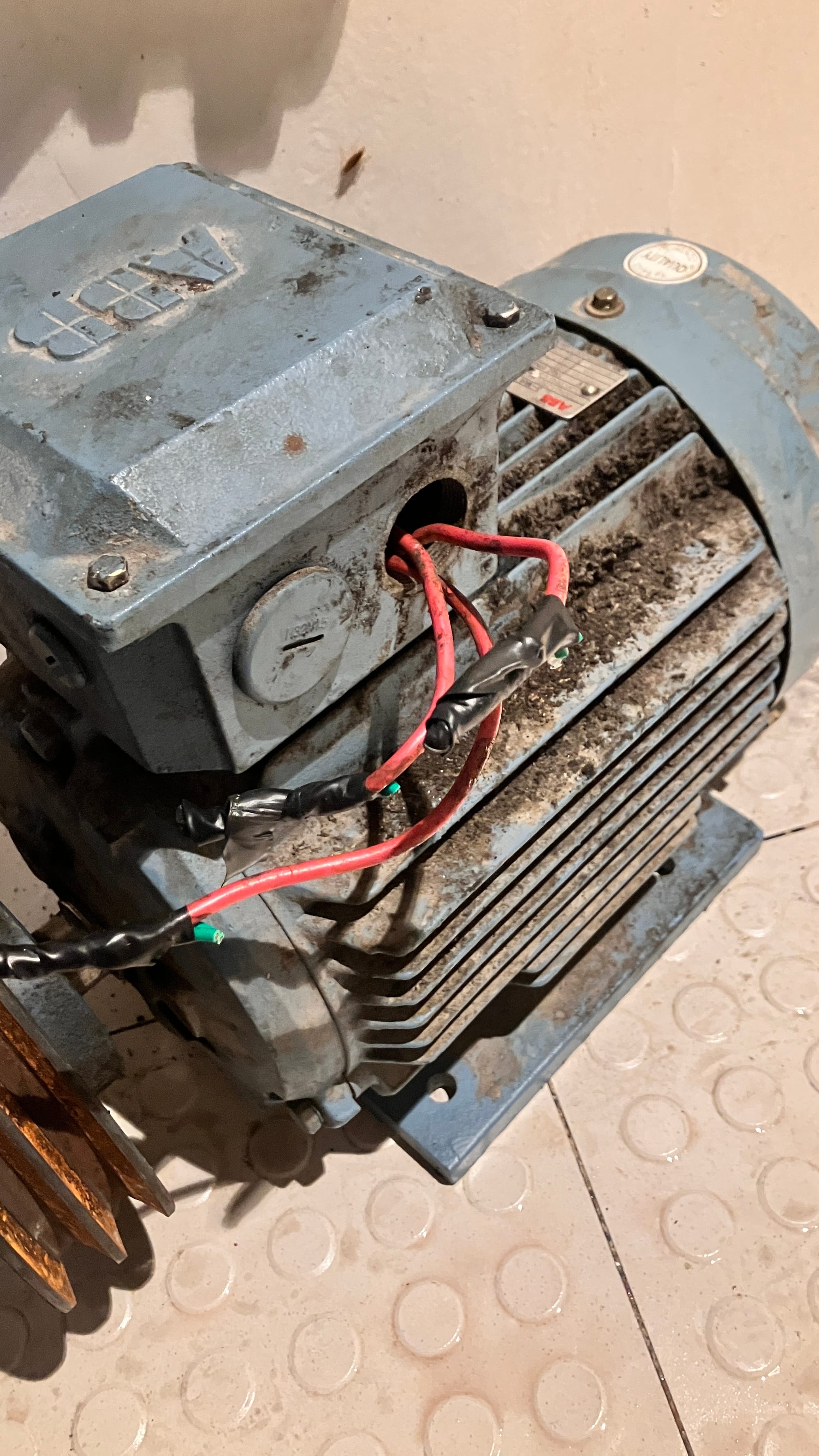
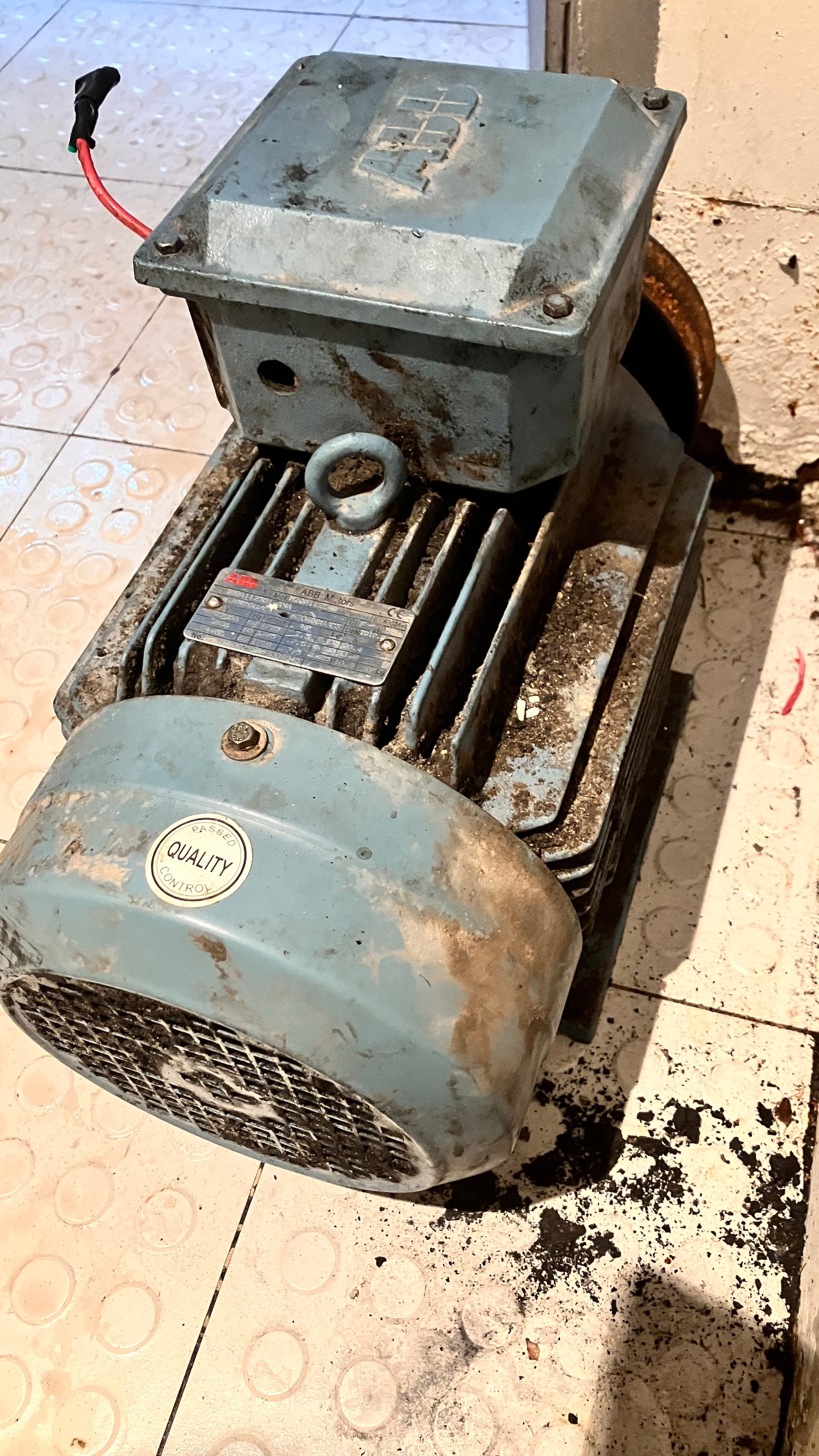
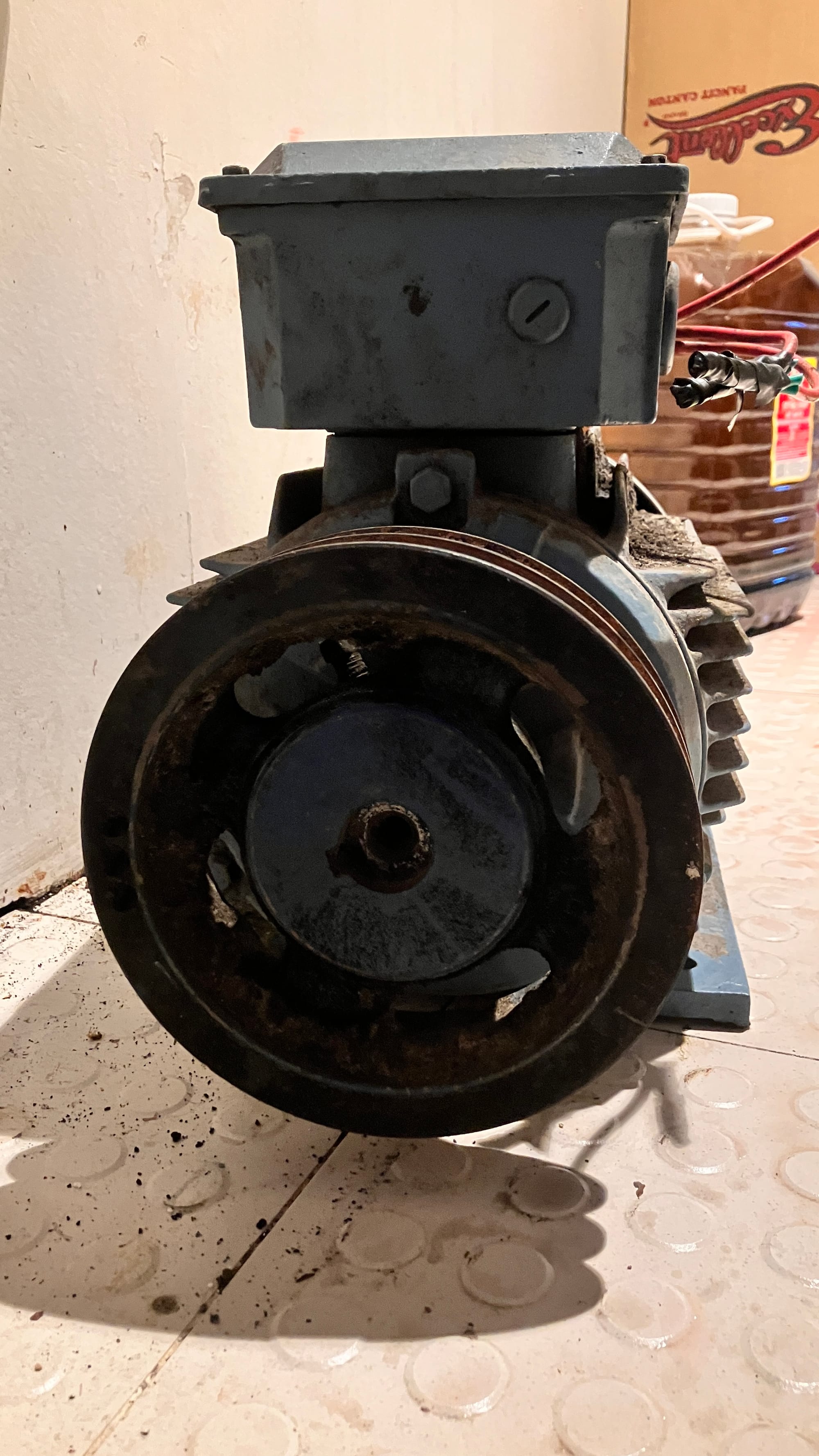
If we are not sure of the condition of the motor, we have to do an insulation resistance test on both motor and breaker. For the breaker, we know that Line B is vaporized. But we can check if Line A and Line C are also compromised. If they are then we may assume that the circuit breaker failed and opened the circuit before there were catastrophic damages to the motor. If Bop is correct in his test with the motor as being OK, then the breaker is bad and the motor can be used again (maybe).
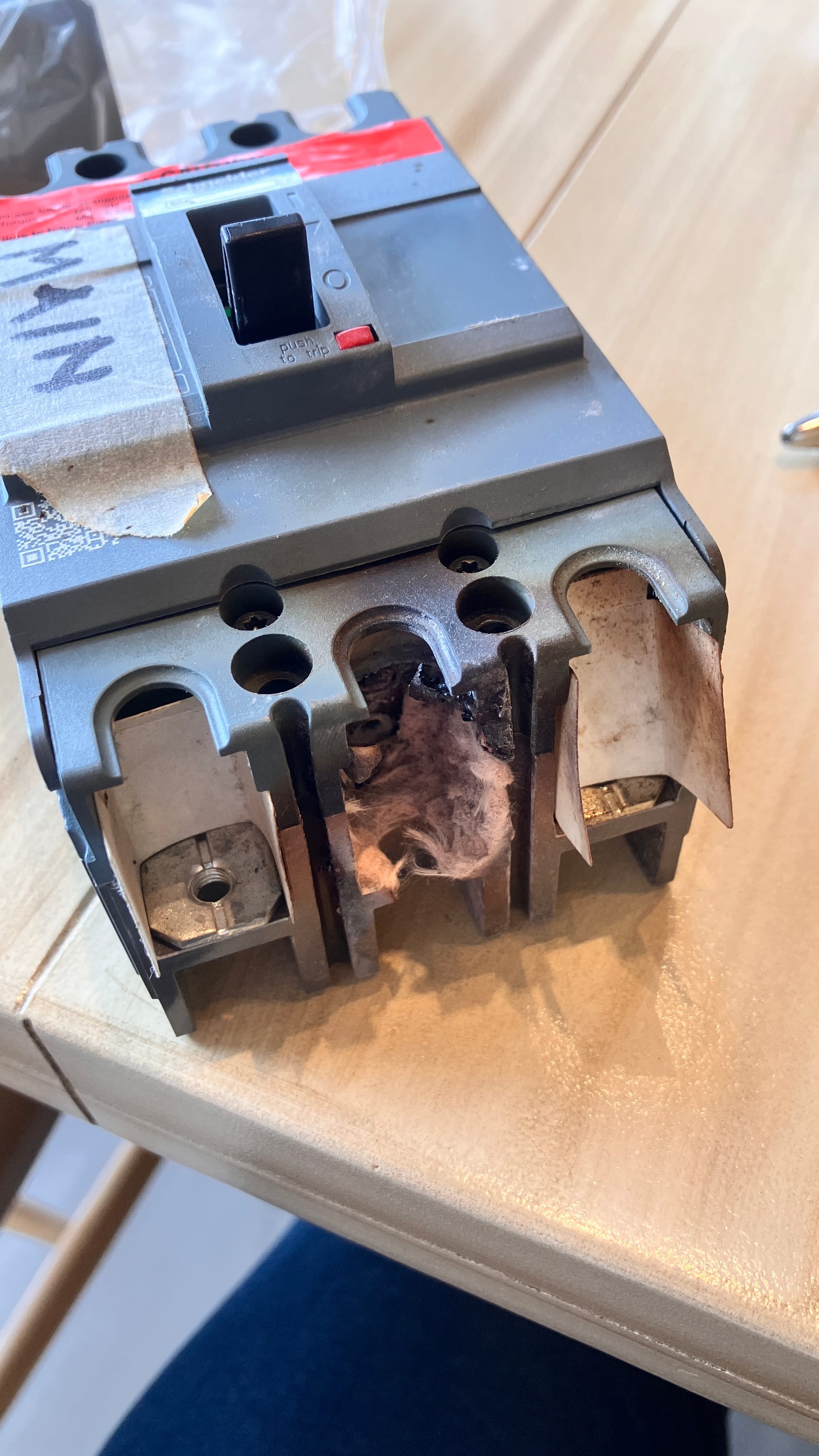
The funny part of this story is that when it single phased a week ago (May 22nd), the engineers who service the motor and exhaust fan thought that the issue was the fan itself, without checking the electrical panel and breaker! When they replaced the fan and it didn't perform well, they thought it was the motor, so they replaced that too. I'm not sure where in the process this happened but they also added an inverter to make the motor VFD. This is what I heard but the control panel for the VFD also failed (maybe the breaker). This incident finally led the engineers to look at the electrical panel and voila! they realized that there was a catastrophic failure at the MAIN exhaust fan breaker. The entire time I was thinking how this could possibly have happened. I believe its because the electrical panel dead front covers up the failure so its not visible.
I can't help but think, however, how much wasted time, money, and effort went into this, notwithstanding the cost of downtime. I've heard from Choy that for 3 days of closing the restaurant for maintenance, it cost the company 300,000pesos.
You can say the seed of all of this was planted because of our oversight of not spotting the failing conductor during our thermographic inspection.
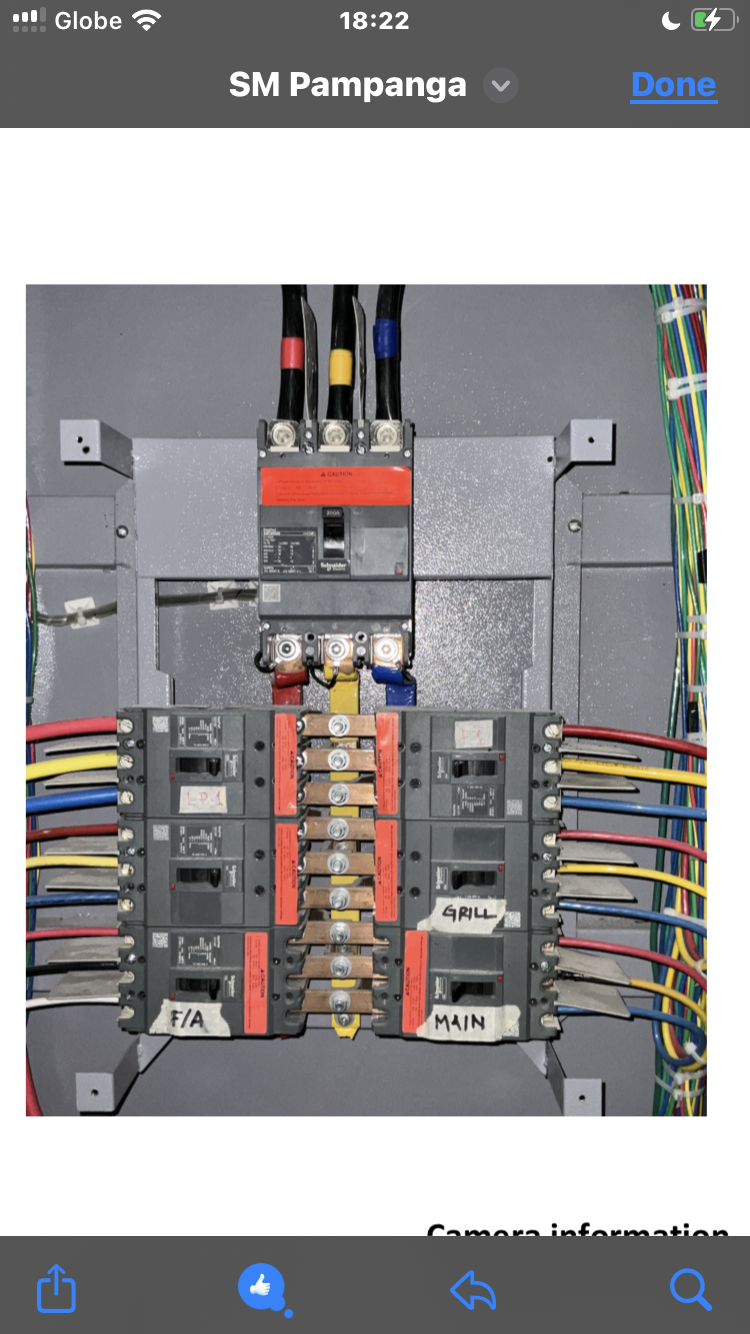
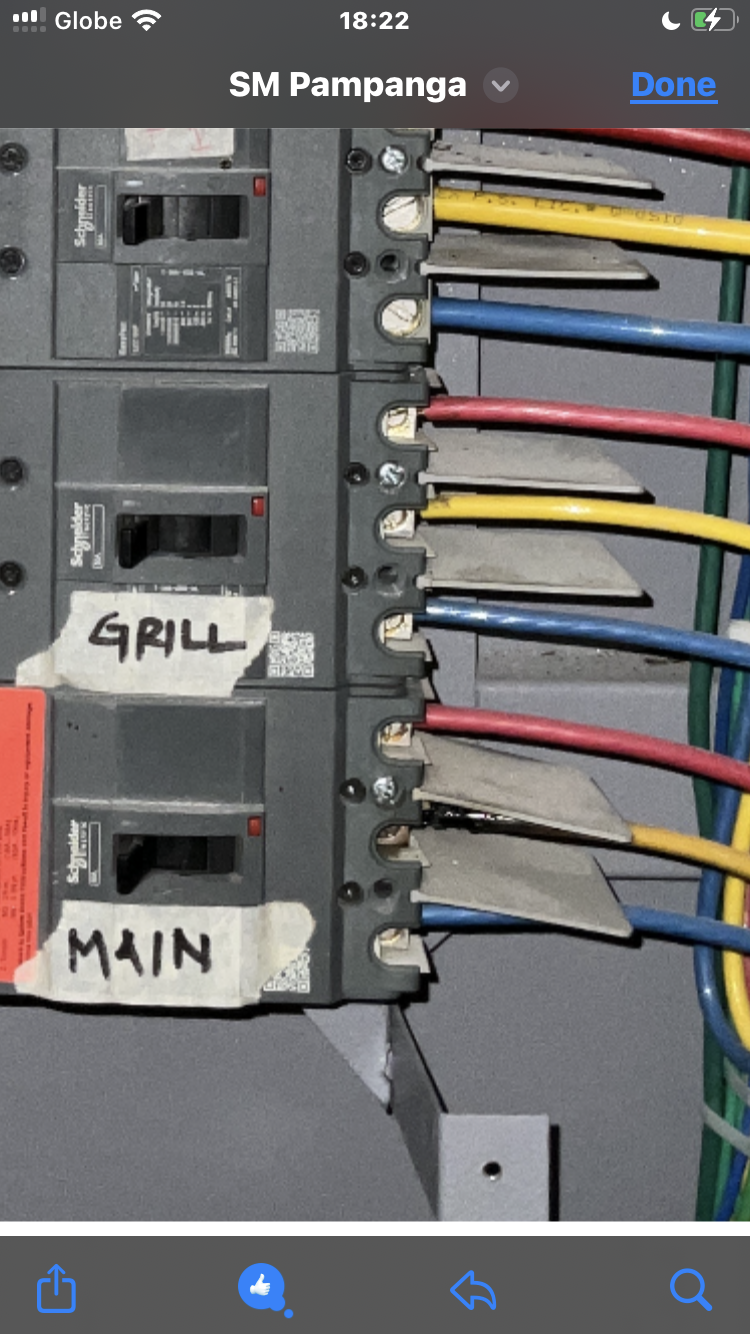
I feel like it is not only a thorough visual inspection we have to do but identify what kind of load it on that breaker. What are the recurring problems? This is the 2nd time that something within the exhaust fan system has catastrophically failed. The first time may have been a coincidence; the second time is a pattern.
Now for my first learning. Circuit breakers. Now I have a clear understanding why sometimes there are high resistance conditions on terminations but they can't seem to get tightened. Corrosion, pitting, spalling? Is it the conductor? All these variations of reason would pop up in my head.
At least for this circuit breaker--this particular Schneider CB--I noticed that behind the termination lug is another screw!
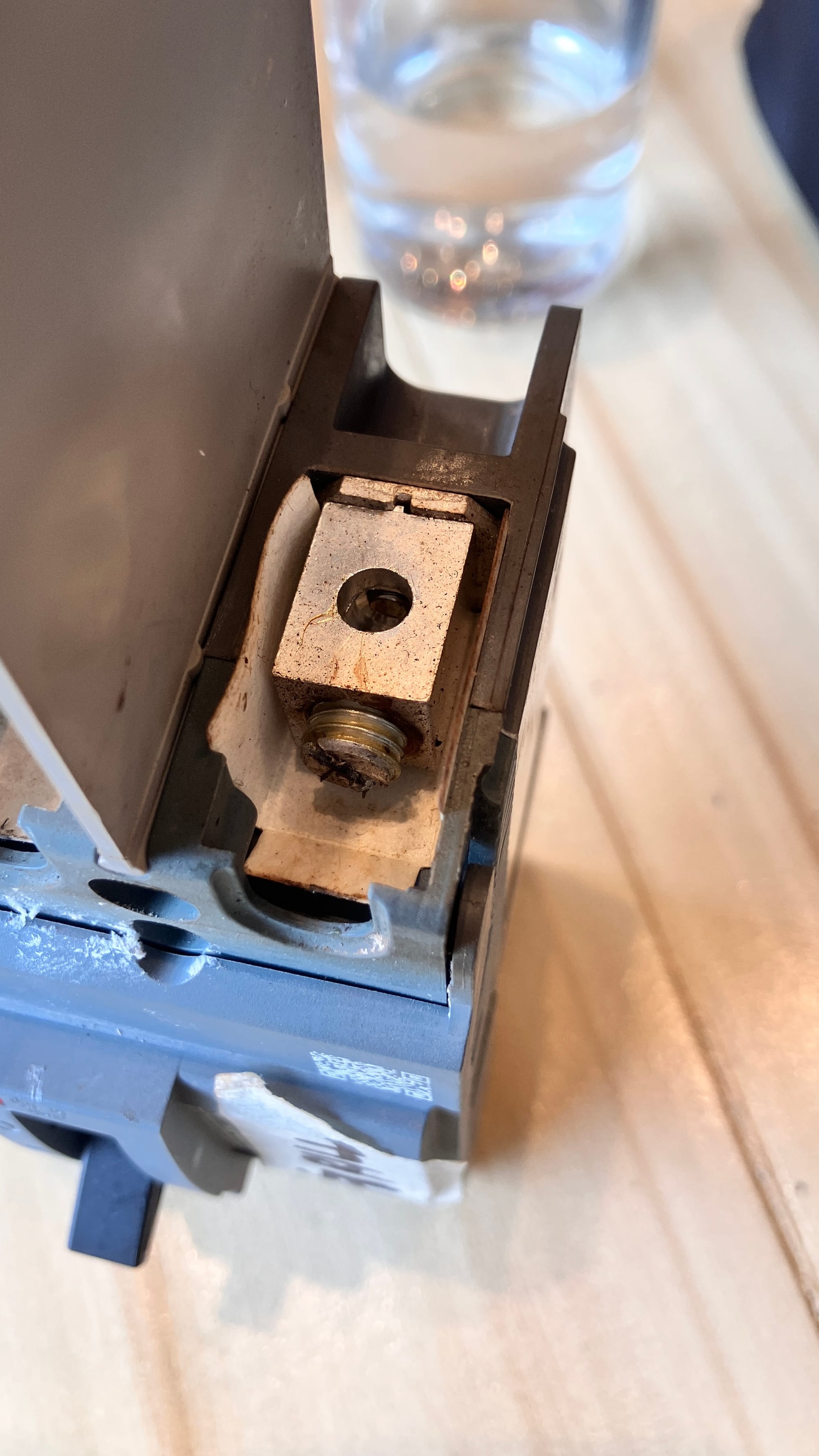
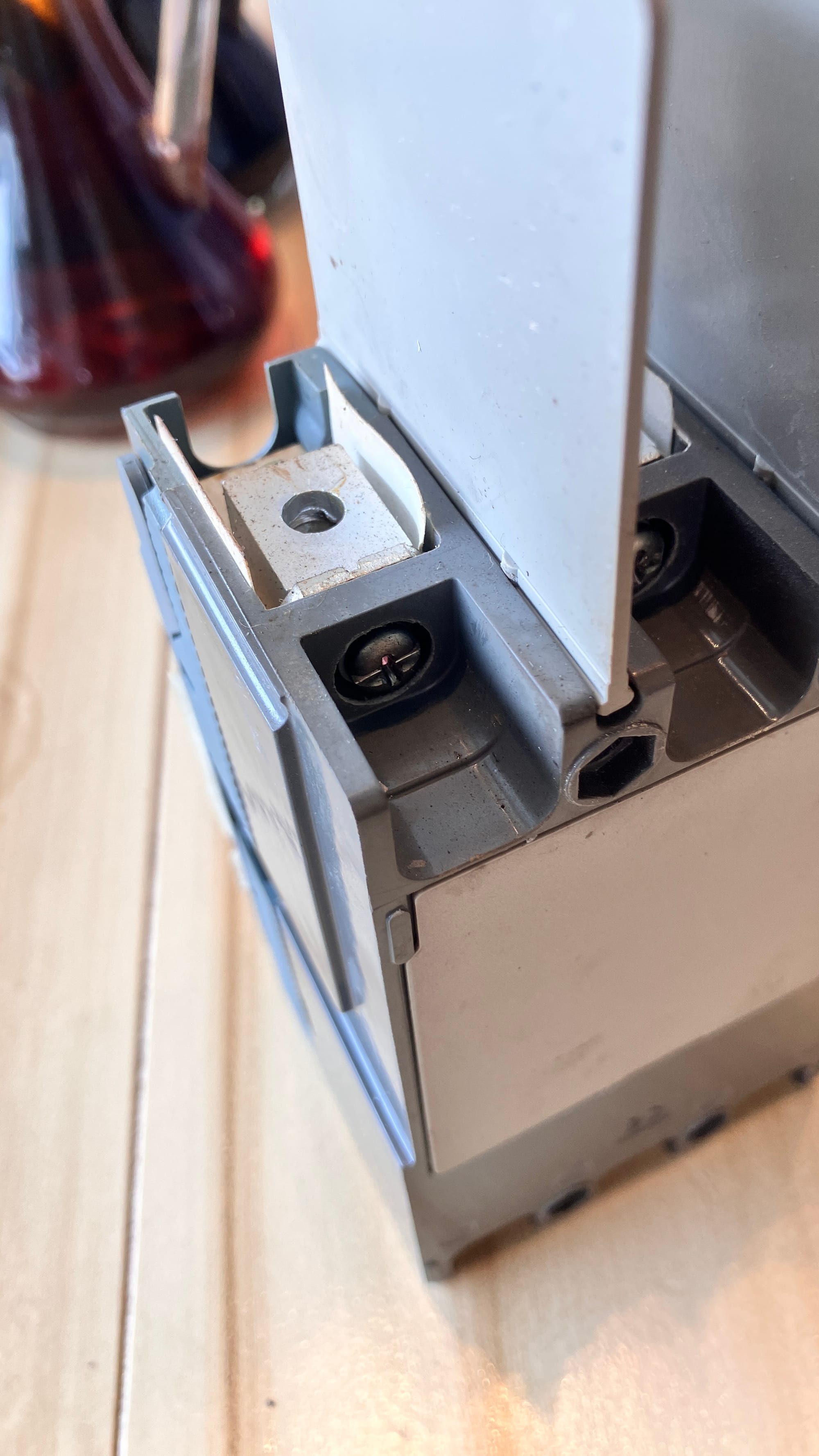
So when we see a high resistance conduction pattern on the conductor and around the termination, I will always think about this. Perhaps the reason we never knew this was because we had yet to hold onto a failed part (we should get all failed parts). And second, there's not enough space to get a better angle (or field of view) of the termination when it comes to electrical panels.
The following link shows the termination lug:
https://www.youtube.com/shorts/BOHdZ3L1olQ
The other side note is the material on the CB.
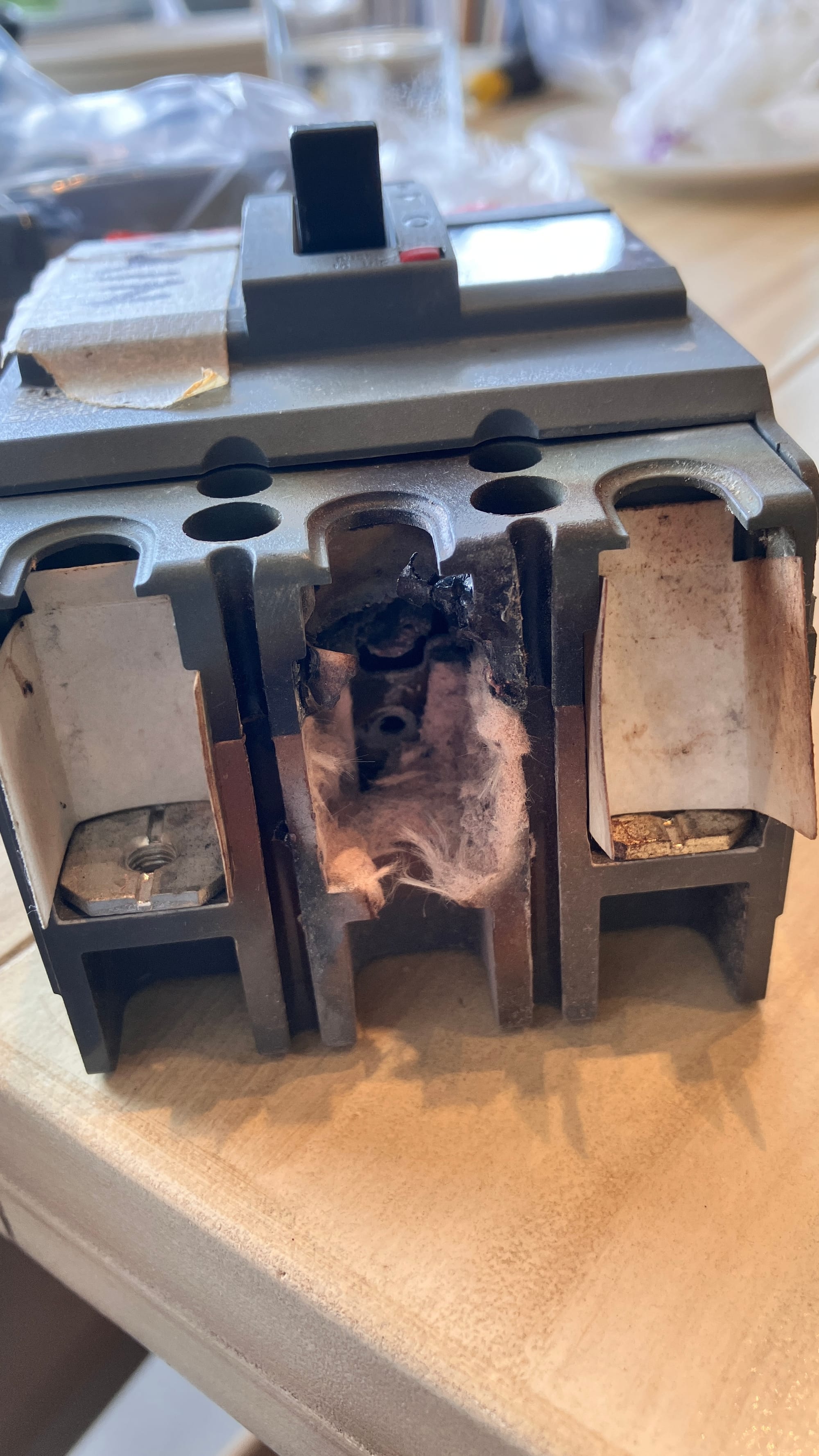
There are two materials on the casing for the CB. One is fire retardant material that is closest to the termination as it should be. You can see the difference in material as you move farther from the termination point. The fire retardant could be made of many types of material like Duroplast, Glass-reinforced polyester, or Bulk Molding Compound. I haven't seen a video of the material at work but they are designed to self-extinguish or char instead of supporting the propagation of the flame. The rest of the casing is just more rigid structural plastic like Glass-filled nylon or polycarbonate blends to keep it strong.
The fluffy fibrous charred material is the self extinguishing material at work. It's cool to see.
--End--