Solar Projects and Energy Auditing

July 15, 2025
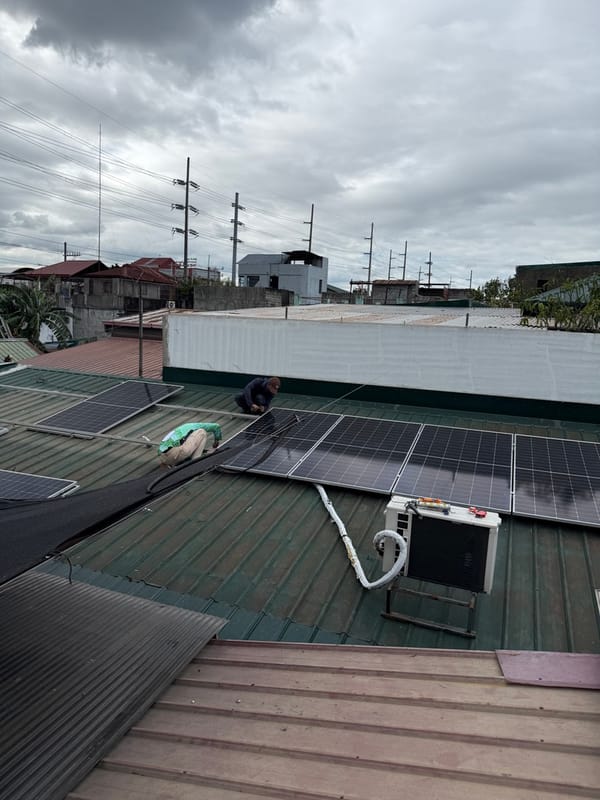
Will have a zoom call with La Sagesse, Rehab Center for their PV solar system. Propose a 40kW system.
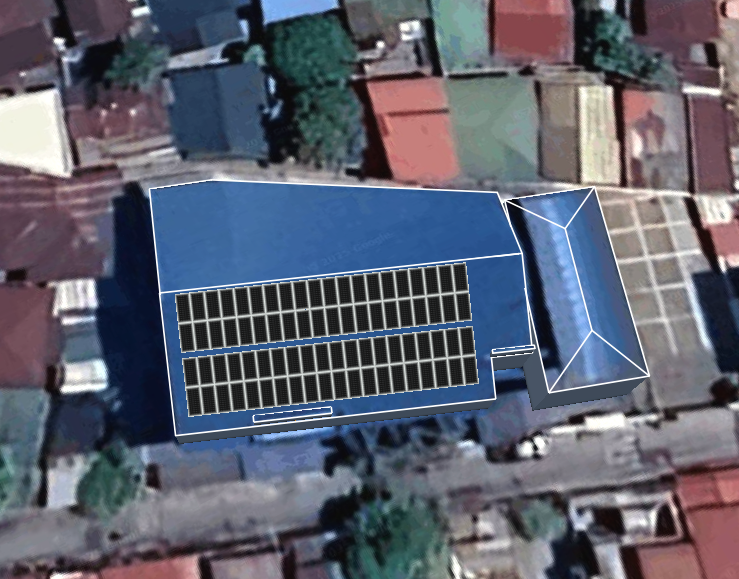
This is has been in the works since 2023. Funding is an issue. The Sisters had to fund raise. The Church has decided to fund the rest. It's better to start the project as soon as possible and start saving. Electricity will continue to get expensive and ROI of the system will be 2-4 years anyways.
The other project is Gerry's Grill Tomas Morato.
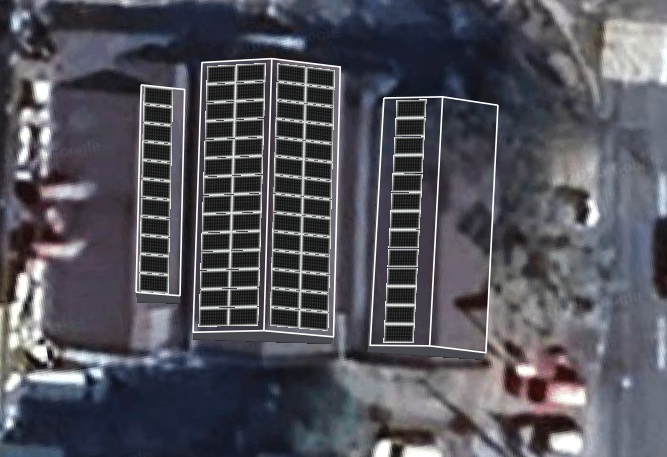
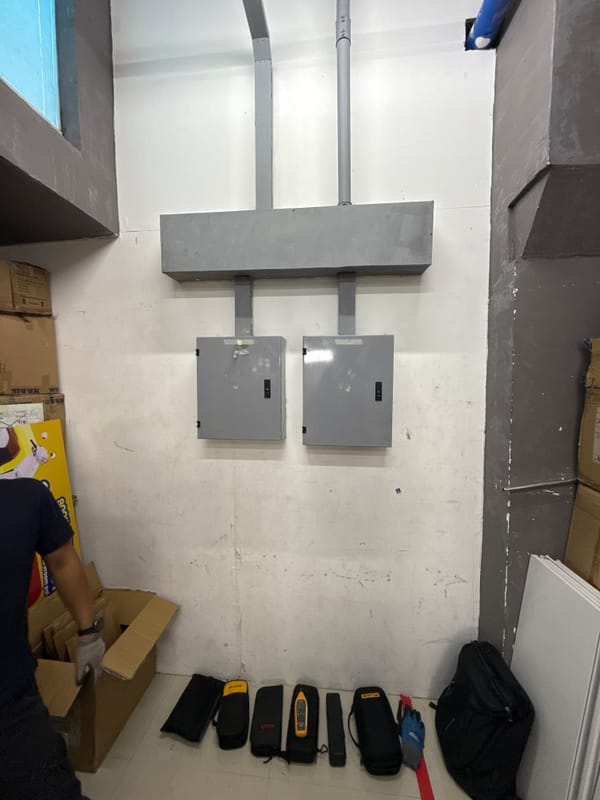
We met with the engineer's at their HO. Apparently they get approached by so many people on solar. In short, we offered to first do a Energy Audit, checking their electrical system--starting with their ACUs. Energy auditing always starting with the SEUs (Significant Energy Users).
We'll start with the 10 ACUs and determine if there are power inefficiencies there. First check if it is producing the requisite cooling and then measure its power consumption. Old AC units become inefficient and consume more power than its nameplate. We will check this with the PQA.
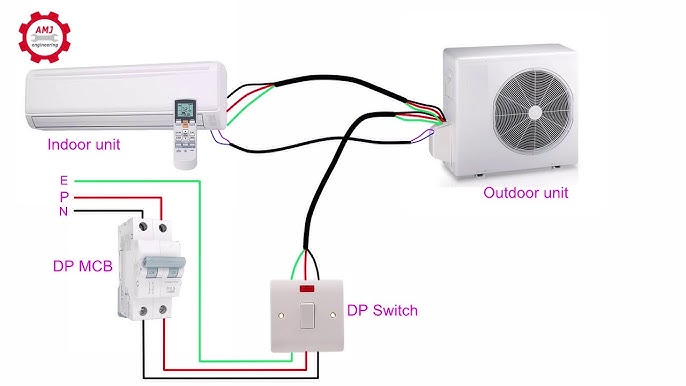
Also, thermal anomalies may exist in any of the terminations. Since internally checking terminations on the Indoor unit is challenging we will just check the DP MCB and Outdoor unit.
The second SEU would be the fan motor. We have to check the state of the motor insulation and its power consumption. Conduct a thermal scan and test with vibration/ ultrasound to confirm bearing defects and the condition of the driven belt.
Prior, there's been two incidents related to the motor in separate Gerry's facilities. There's a high chance that many facilities have motors that are not performing to standards.
The grounding system should be checked using a FLUKE 1630-2FC. If the grounding is poor, it can cause extra stress on wires and insulation, especially when there are unbalanced or non-linear loads. This can lead to equipment problems and lower the overall efficiency of the system.
At the time of this writing, I'm strongly considering adding this tool to our inspection tool box.
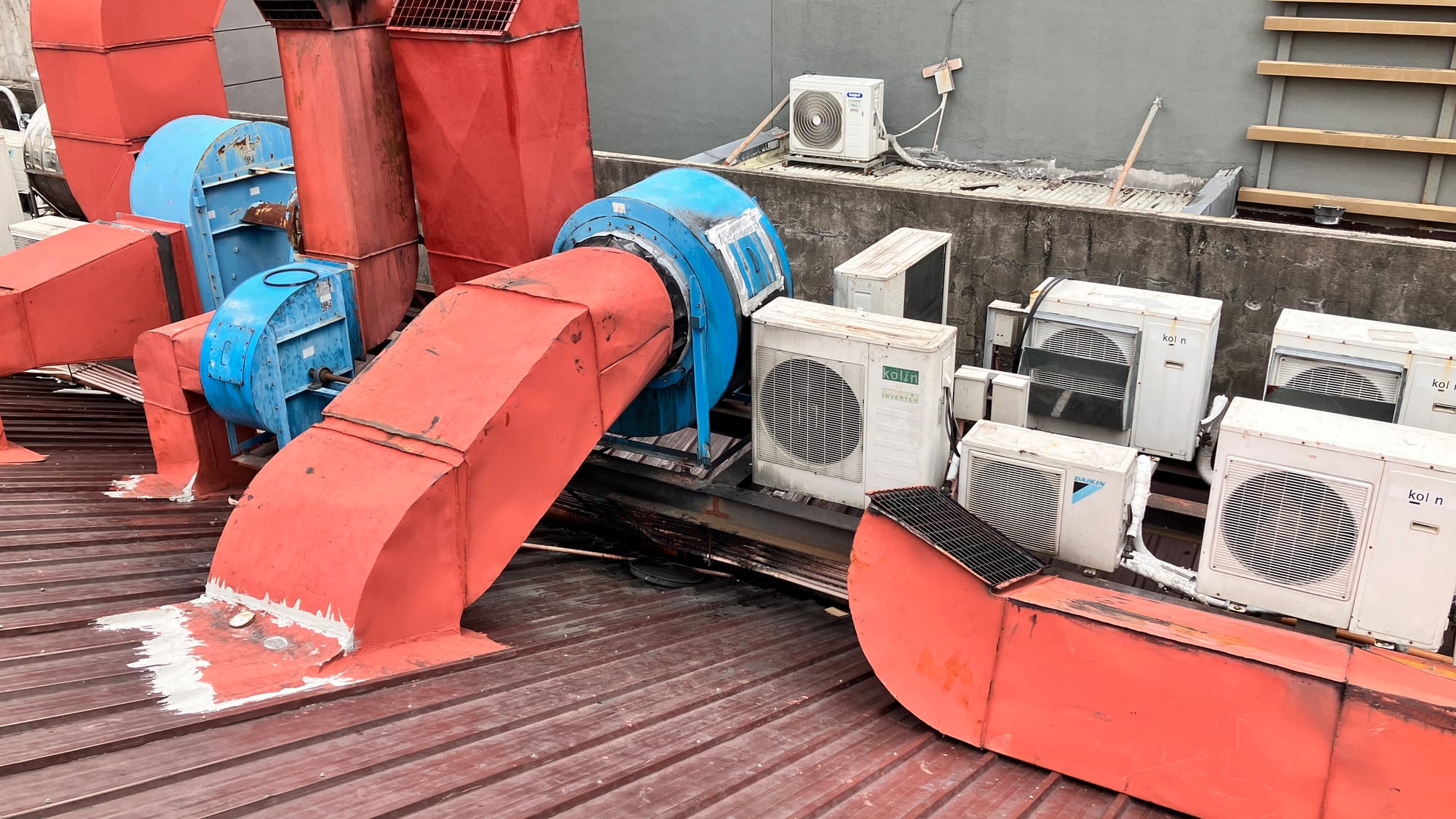
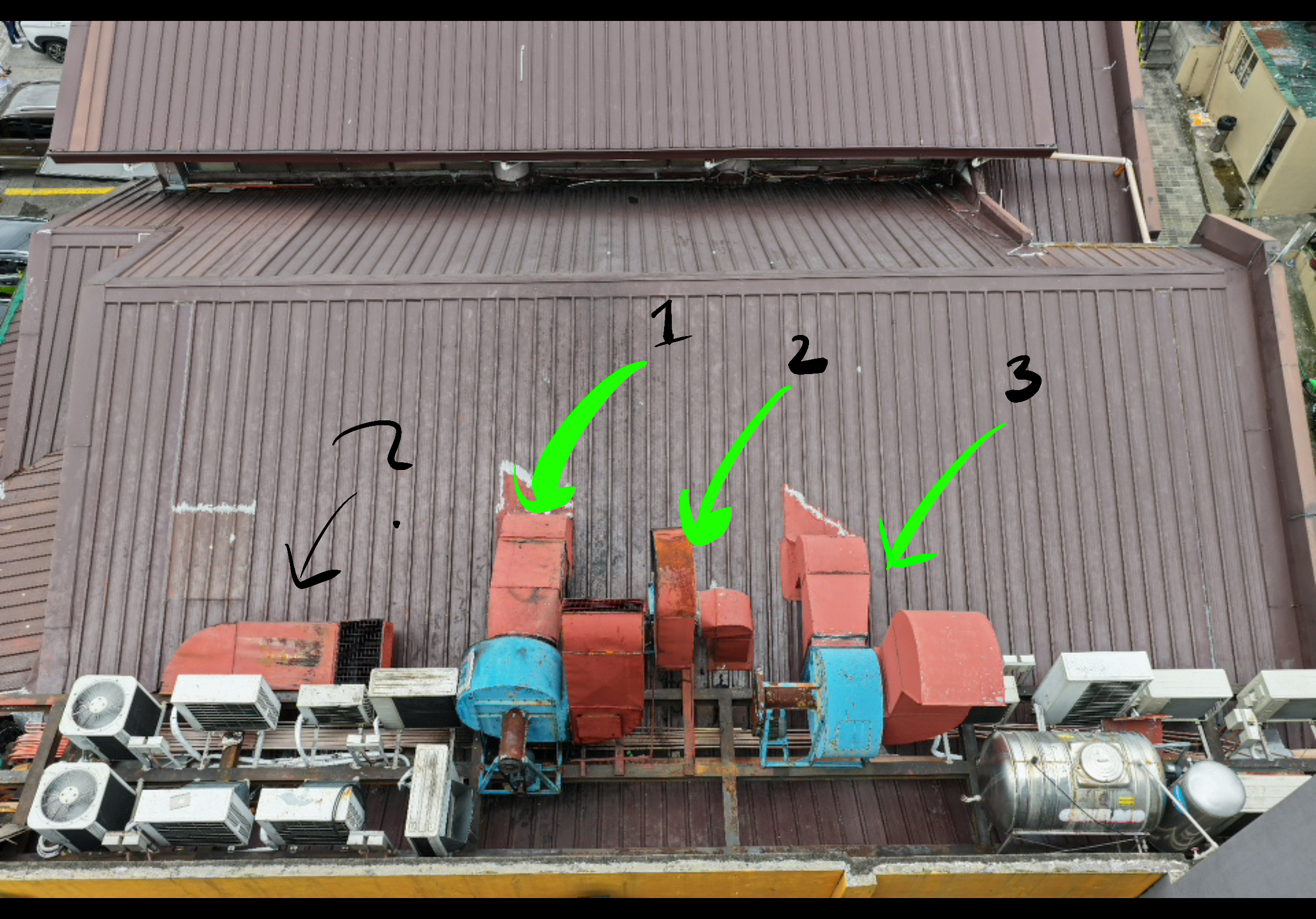
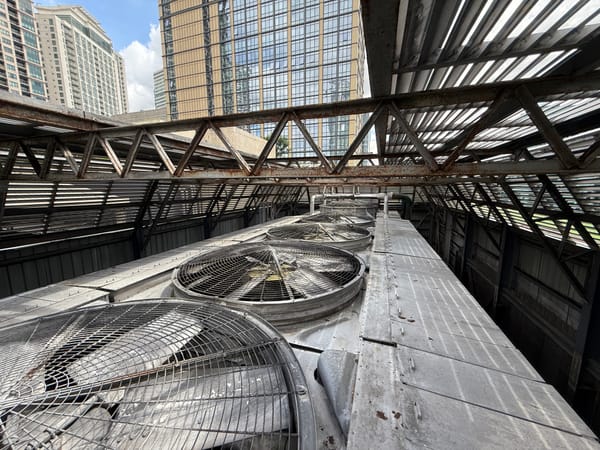
There's 3 centrifugal exhaust fans and one more exhaust on the left (?) that may be a condenser unit, which releases indoor heat to the outside air. These 3 motors is what we have to check. I haven't inspected these types of motors before but it seems like sensor placement for ultrasound and vibration isn't too challenging for the motor. However sensor placement on the driven side is not good. I'm afraid the shaft guard is in the way and we need to remove it.

Hopefully taking care of all the hotspots and these SEUs will bring to light many inefficiencies in the system and unnecessary energy consumption. Thereafter, they will consider installing a PV system for further savings.
The next purchase will be the FLUKE 1630-2FC Earth Ground Clamp.
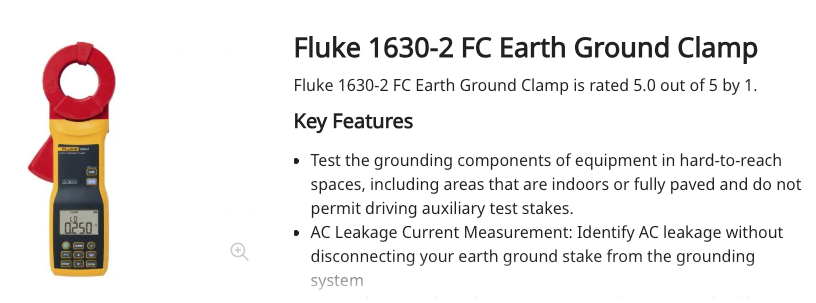
With this tool we can test the effectiveness of the grounding system for Utility PV systems. Bad grounding indicates a system vulnerable to faults. In fact, by ascertaining data on bad grounding points, we can correlate this with actual ground fault issues for that array, which in turn correlates to the aerial thermal image.
This synthesized data is more important than their individual data parts. Hopefully a three part data set would be useful for analysis: Grounding, thermal, and IV curve data.
The business proposition is quite simple.
If we are inspecting a 50MW plant with 550W modules, this is the business plan:
Each combiner box has around 18 strings with 29 modules per string.
The calculation proposes that this plant holds a total of 174 combiner boxes, 3.5 combiner boxes roughly equates to 1MW.
We can offer a service of PHP3000-4000 per MW, which equates to PHP150,000-200,000.
This means 3.5 combiners costs PHP3000-4000. It takes 1 minute to collect data from one box. With 174 combiners = 174 minutes (approximately 3 hours) of work.
It may be possible to do two Utility plant sites in one trip if they are close enough. This can be PHP300,000-400,000 per trip.
__________________________________________________________________________________________________________________
The inspection sheet can look like this:
| Combiner Box | Ground Resistance (Ω) | Leakage Current (mA) | Status | Notes |
|---|---|---|---|---|
| CB-01 | 0.6 Ω | 0.2 mA | ✅ Pass | — |
| CB-02 | 1.1 Ω | 0.3 mA | ✅ Pass | Slightly elevated |
| CB-03 | 18.2 Ω | 0.9 mA | ❌ Fail | Recommend repair |
| ... | ... | ... | ... | ... |
If the ground resistance exceeds 10Ω or Leakage Current (mA) exceeds 3mA, it should be flagged for corrective maintenance. (IEC 61557-5:2019)
There are 4 possible outcomes and their risk levels when testing:
1. Low values for both ground resistance and leakage current = pass (Ideal)
2. High values for both ground resistance and leakage current = fail (Critical)
3. Low values for ground resistance but high values for leakage current = fail (High)
4. High values for ground resistance but low values for leakage current = fail (Moderate)
We will delve further into 3 and 4.
- Low values for ground resistance but high values for leakage current = fail (High)
What this means: insulation degradation, moisture ingress in combiner box, faulty string wiring or MC4, capacitive leakage in transformerless inverters
Risks: Fire hazard, electrocution, nuisance tripping, indicates developing fault.
Actions: Megger test, thermographic scan for hotspots, inspect connectors and cables, trend issue - High values for ground resistance but low values for leakage current = fail (Moderate)
What it means: poor earth connection but not much current leakage, common in idle or lightly loaded system or no insulation fault yet.
Risks: During faults (lightning, surge or short) current will not dissipate to earth, which can result in electrial shock, damage to equipment, or improper tripping operation.
Actions: Investiage ground rod/ bonding issues, improve earth electrode system
_________________________________________________________
_________________________________________________________